
For many kids, learning to ride a bike or tricycle is a big part of growing up. It’s fun, it gives them a sense of independence, and it’s something they can do with their friends and family.
But for children with physical or developmental challenges, a typical tricycle may not provide the support they need to ride safely and comfortably.
That’s where adaptive trikes can make a big difference.
Adaptive trikes are designed to give children the extra support they need while still allowing them to be an active part of the experience. Instead of simply being taken for a ride, the child can pedal, steer, explore and—most importantly—have fun.
There are some great physical benefits
Riding an adaptive trike is a fun way for kids to get moving without it feeling like exercise or therapy.
Pedalling helps build strength in the legs and can improve endurance over time. The repeated movement of pedalling also gives children a chance to practise using both legs together in a smooth, coordinated way.
At the same time, sitting on the trike and steering requires children to work on their balance and control. They are learning to keep their body in position while looking where they want to go, turning the handlebars and pedalling—all at the same time.
For some children, this can also be a great way to practise skills that they are working on during physiotherapy or occupational therapy, but in a much more enjoyable setting.
And because riding a trike can be genuinely fun, children may be willing to spend much more time doing it than they would with traditional exercises.
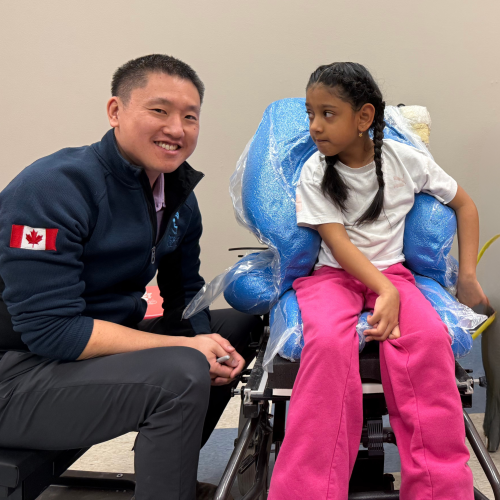
What makes an adaptive trike different?
The biggest difference is that an adaptive trike can be set up around the child, rather than expecting the child to fit the trike.
Some children may need a supportive seat or backrest to help them sit comfortably. Others may benefit from additional support around their hips or trunk to help them stay in a good position while riding.
There are also different options to help keep a child’s feet on the pedals. This can be especially helpful for children who have difficulty keeping their feet in place or controlling their leg movements.
The trike itself can often be adjusted as a child grows. Things like the seat position, pedals and handlebars can be set up to match the child’s size and abilities.
Some children may also benefit from additional steering support or a push handle, allowing a parent or caregiver to help when necessary.
The important thing is that these supports don’t necessarily mean that the child is simply along for the ride. The goal is to provide just enough support to allow the child to participate as independently as possible.
It’s about more than physical skills
One of the things we love most about adaptive trikes is that the benefits aren’t limited to strength and coordination.
Think about what it means for a child to be outside with their siblings or friends, riding around the neighbourhood or at the park.
They aren’t sitting on the sidelines watching everyone else have fun. They’re participating.
That can be a huge deal.
Being able to ride alongside other kids can help build confidence and give children a sense of independence. They can choose where they want to go, explore their surroundings and experience the simple freedom of moving under their own power.
For parents and siblings, it can also turn into something the whole family enjoys together—a trip to the park, a ride around the neighbourhood or an afternoon outside.
These everyday experiences are easy to take for granted, but for a child who has difficulty keeping up with their peers, having the opportunity to participate can be incredibly meaningful.
The right trike makes all the difference
There are many different adaptive trikes available, and they aren’t all designed for the same child.
The right choice depends on what the child can do today, what they are working toward, how much support they need, and how the family plans to use the trike.
That’s why choosing the right vendor is just as important as choosing the right equipment.
A good vendor should be comfortable working with the child’s therapy team and family to understand what the child needs. Working together with the physiotherapist, occupational therapist and other members of the child’s team helps ensure that the trike is properly selected, fitted and adjusted.
Ultimately, the goal isn’t simply to find a trike that a child can sit on.
It’s to find a trike that allows them to move, participate, explore and have fun.
Because every child deserves the opportunity to experience the excitement of saying, “Look what I can do!”